Due to the historical development of power supply systems, numerous plug and socket standards exist across the globe. Different models vary in pin configuration, earthing design and rated electrical parameters. Appropriate matching travel adapters are essential for cross-border trips.
Key Reminder: A travel adapter only realizes physical interface matching and cannot convert voltage. Electronic devices labeled with a 100–240V wide voltage rating can function normally. High-power appliances designed for a single rated voltage must be used with a dedicated voltage converter.
Industry Regulation Notice: When selecting travel adapters, opt for compliant products with certification, flame-retardant housing and child safety shutters. Choose adapters corresponding to the plug standard of your destination to guarantee electrical safety.
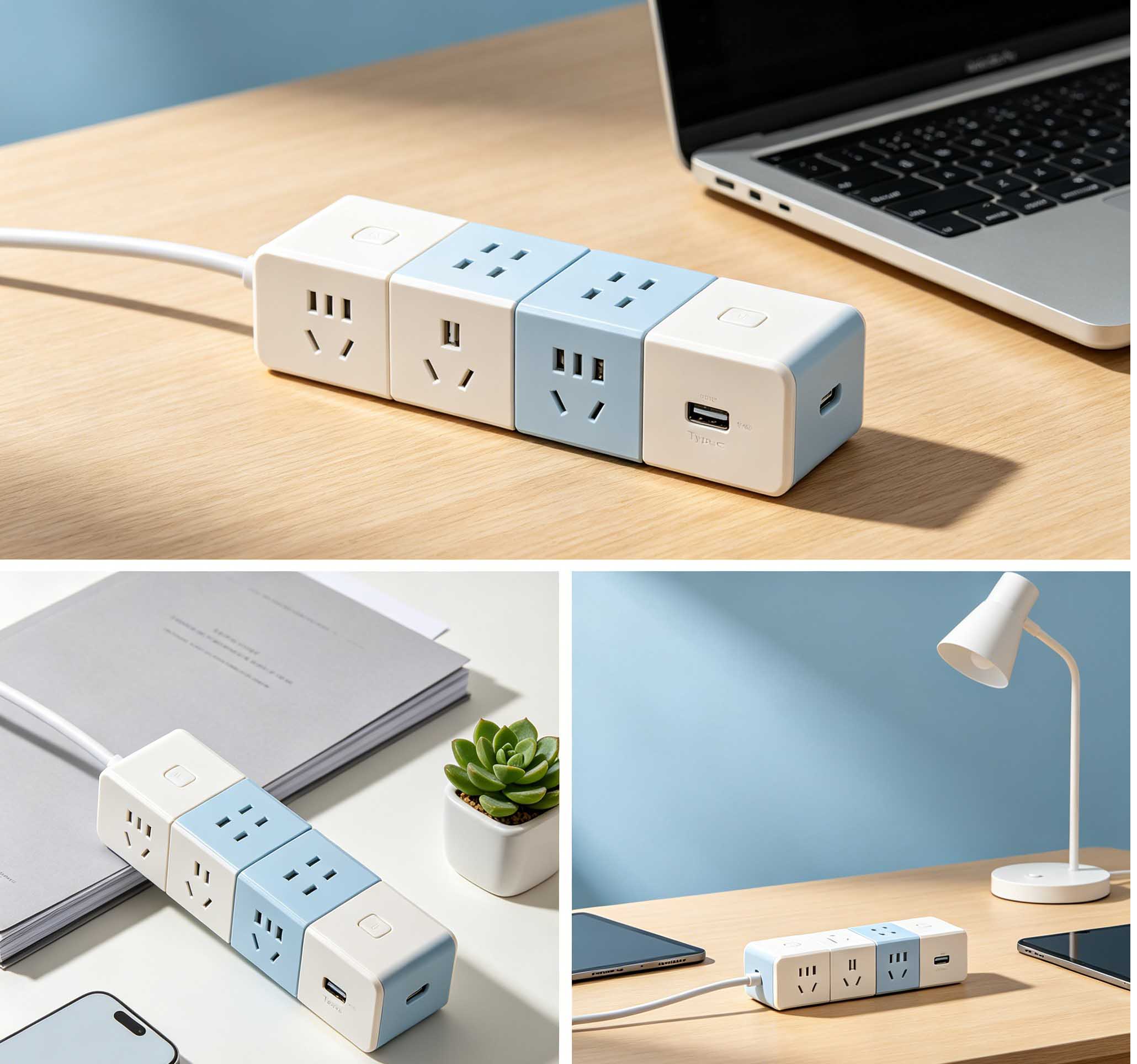
As power strips evolve from "practical tools" to "life aesthetics + safety protection", product form and structural innovation have become the core driving force for the industry to break through. In 2026, three major structural innovations—tumbler power strip, ultra-thin power strip, and modular power strip—have exploded in popularity, completely breaking the rigid impression of traditional power strips and bringing a new electricity usage experience to multiple scenarios such as home, office and study.
The new power strip adopts a mechanical design with a lower center of gravity, paired with a non-slip silicone base. It can resist collisions and automatically return to its original position, fundamentally eliminating the hidden dangers of electric shock and water ingress caused by tipping. It balances safety and practicality, making it the first choice for families with children and pets. The ultra-thin power strip features a slim body design, which can be embedded in desktops or mounted on walls to hide, solving the pain points of traditional power strips occupying space and messy wiring. Equipped with a narrow plug, it can easily fit into small gaps and save desktop space.
The modular power strip achieves "on-demand combination"—modules such as AC outlets and USB fast charging ports can be freely matched and flexibly expanded. At the same time, it integrates four-sided shunting and wide-spacing layout, eliminating the problem of plug conflicts. These innovative power strips not only comply with the new national standard safety requirements but also deeply integrate aesthetics, convenience and scenario-based needs, promoting the power strip industry from "functional satisfaction" to "experience upgrade" and opening a new chapter in electricity usage life.
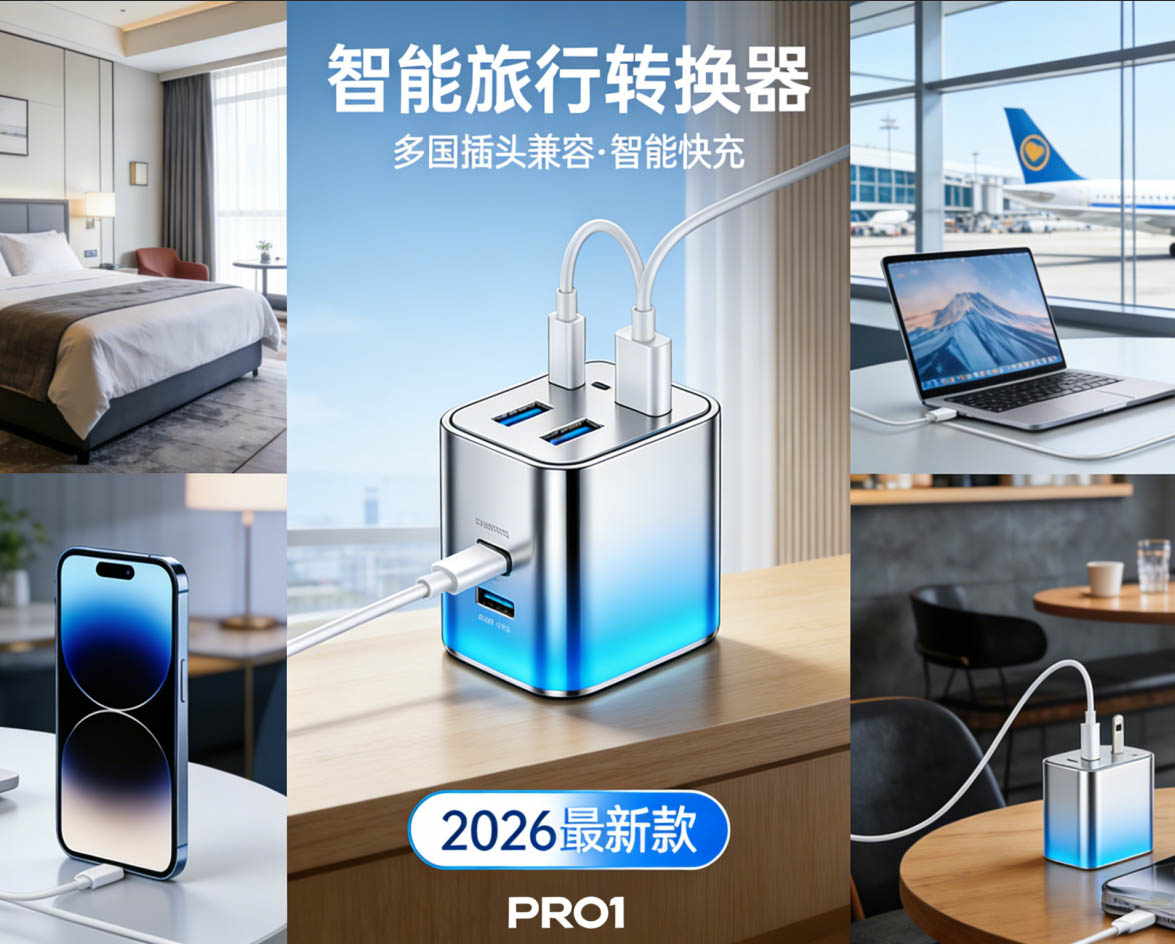
As outbound tourism and digital nomadism continue to boom in 2026, travel adapters have evolved from basic power tools into must-have efficiency gadgets for young people. This year’s industry trends focus on GaN fast charging, global compatibility, and lightweight design, with stylish and safety-certified products becoming bestsellers.
Key Industry Highlights
Fast charging as standard: 65W GaN technology is widely adopted, fully charging a laptop and smartphone in one hour.
Global plug compatibility: Supports US/UK/EU/AU plugs, covering over 200 countries for hassle-free travel.
Ultra-portable design: Compact size with foldable plugs, easily fits in pockets and bags.
Enhanced safety: CCC, UL and CE certified, with dual fuses and surge protection.
Top Picks for Young Users
Featured models include PRO1 65W,WONPRO GaN, and PRO1 Global Mini Adapter, catering to budget shoppers, digital nomads and business travelers.
Buying Tips
Avoid outdated universal socket products. With new national certification standards taking effect, uncertified adapters will be phased out. Choose GaN, multi-port fast charging and fully certified models for safe and reliable charging worldwide.
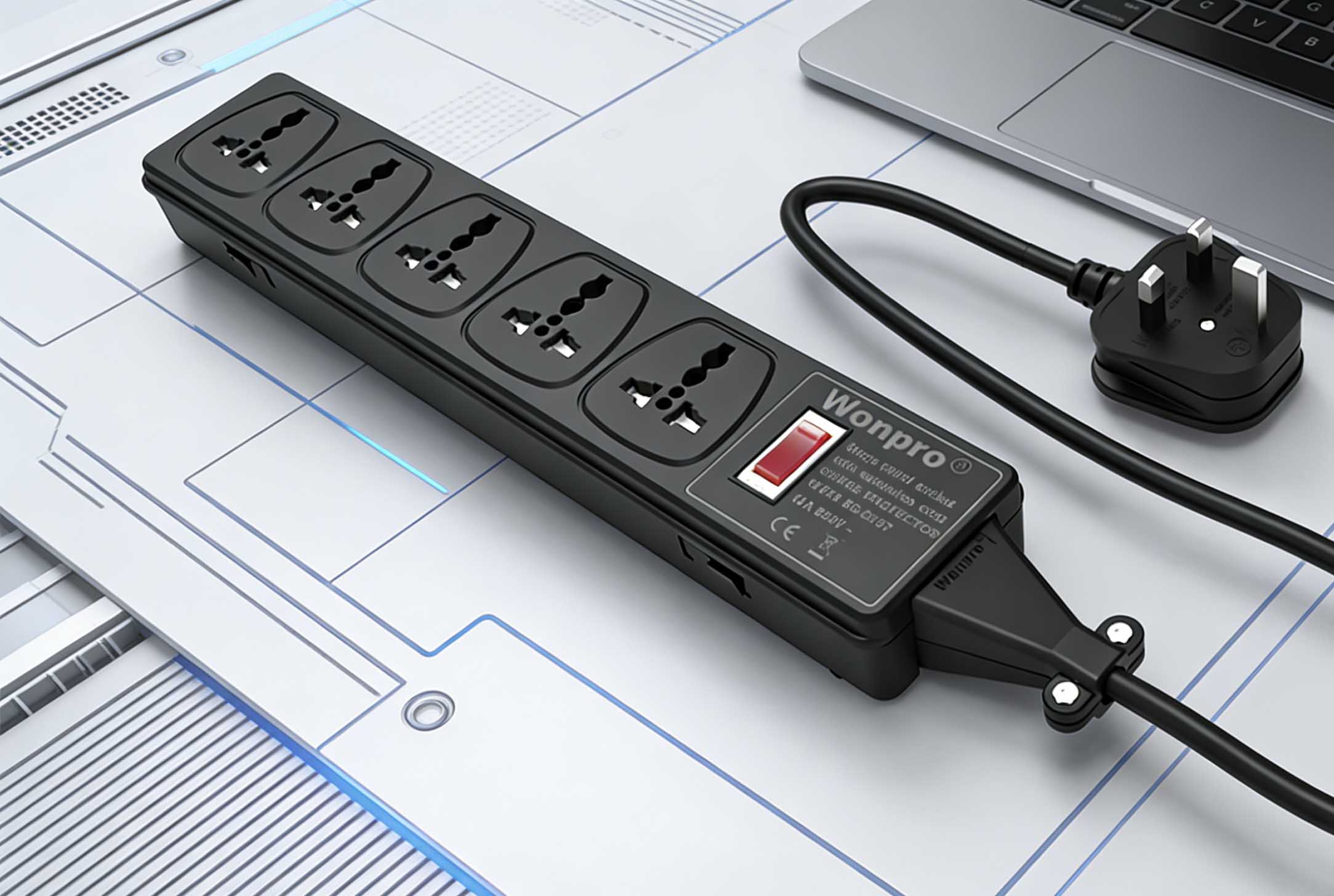
After 3 years in automated testing, I’ve burned out 2 oscilloscopes and 1 PLC module—all because of shoddy power strips causing poor contact sparks and excessive voltage drop. Learn from my costly mistakes: never use civilian-grade power strips for industrial testing!
Focus on these 3 key factors:
1. Contact & Durability: Opt for one-piece copper bars + phosphor bronze sockets. The contact resistance change should be < 0.05Ω after 1000 insertions/extractions, and the temperature rise should be < 30K after 4H of continuous full load. No glitches should appear in the oscilloscope waveform.
2. Safety Redundancy: It must feature UL94 V-0 flame retardancy, IP44 dust and water resistance, and mechanical interlocking (power-off unlocking to prevent arcing). Hot-swap maintenance support is a plus.
3. Testing-Friendliness: Choose a strip with 45mm+ large hole spacing to avoid plug conflicts. It should come with industrial interfaces like NEMA/L6-30P, be compatible with power analyzers and programmable power supplies, and support 10A/16A/32A currents.
Don’t skimp on costs! Last week, I used an WONPRO brand industrial test power strip for inverter testing—it ran continuously for 72 hours without power cuts or interference, and the data passed inspection in one go. This is the peace-of-mind tool every tester needs.
Image Suggestions: Actual testing scenarios with the power strip connected to an oscilloscope/PLC, close-up of internal copper bars, and screenshots of temperature rise test data.
Planning an international trip?
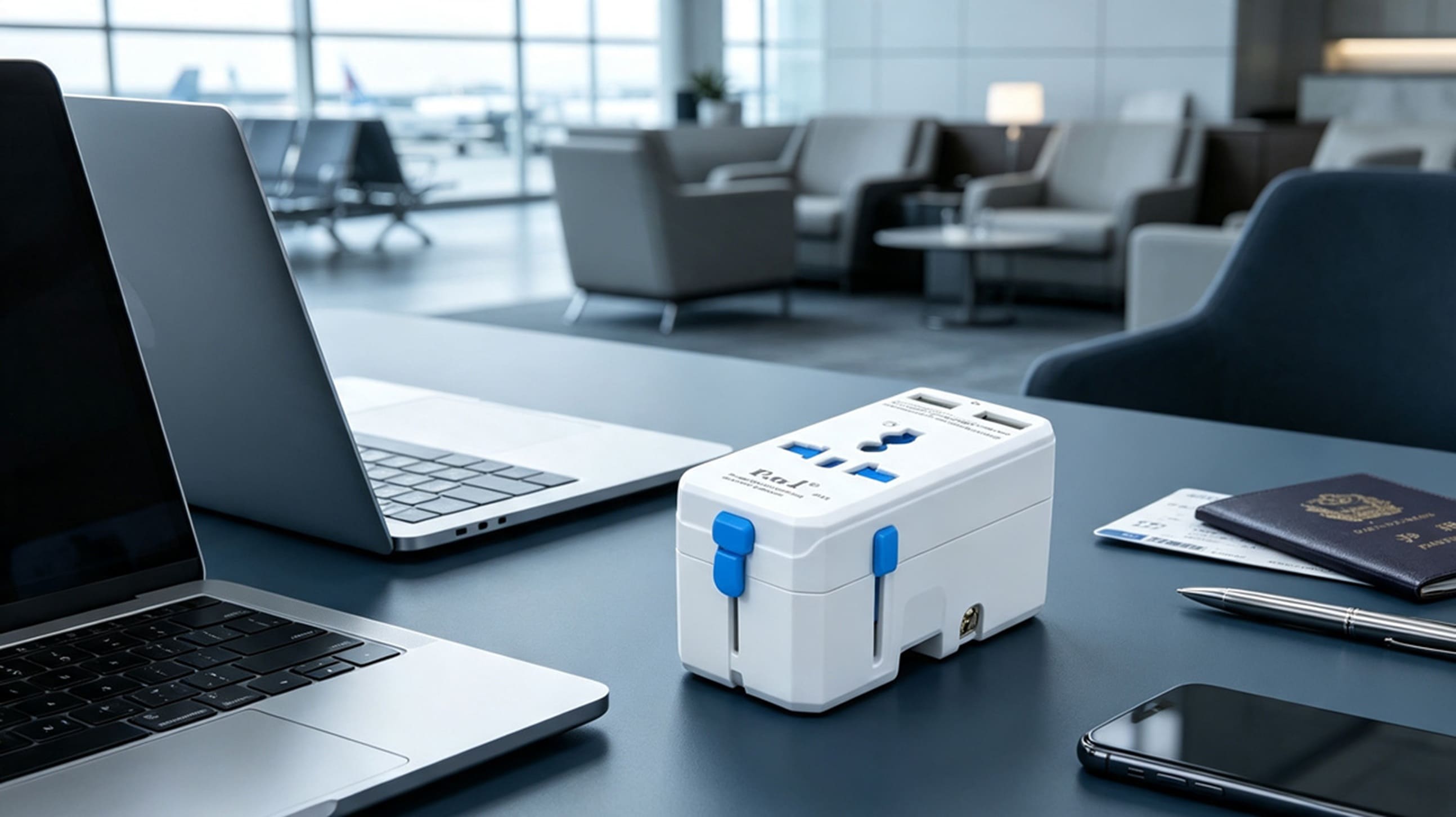
Don’t let a mismatched plug ruin your journey—choosing the right travel adapter is key, and a universal travel adapter is often the best bet for global travelers. With so many options on the market, how do you pick a reliable universal travel adapter that meets your needs? Here are essential tips to guide your choice.
First, prioritize compatibility when selecting a travel adapter. A top-notch universal travel adapter should cover major plug standards, including US, EU, UK, and Australian types, supporting over 150 countries. This way, you won’t need multiple adapters for different destinations—one universal travel adapter suffices, saving you space and hassle.
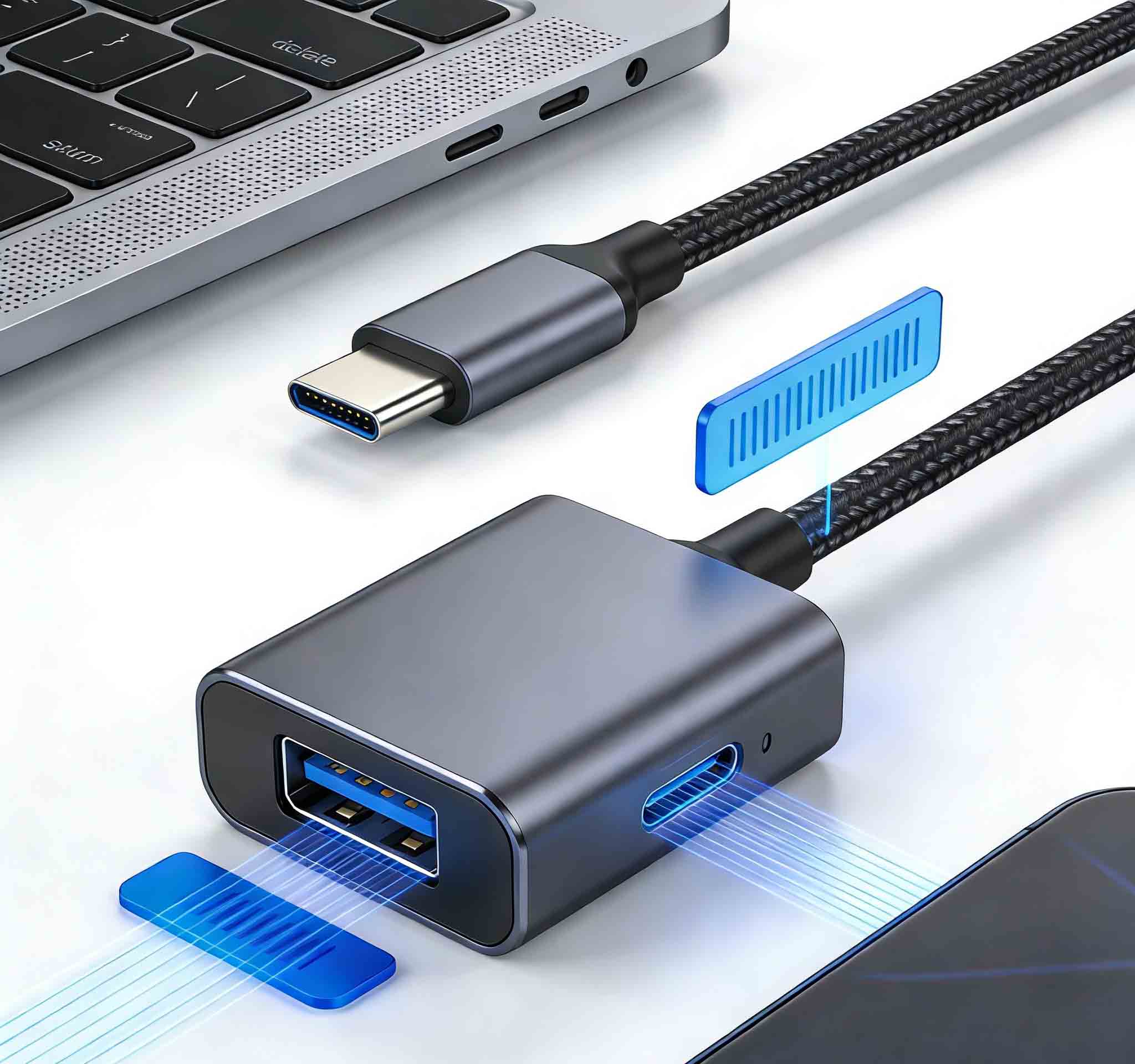
Second, check the ports of the travel adapter. Modern travelers carry multiple devices, so a good universal travel adapter should have a mix of AC ports and USB ports (USB-A and USB-C). Fast-charging capability is a plus, as it lets you power your phone, camera, laptop, and tablet simultaneously. Ensure the travel adapter can handle your devices’ power requirements safely.
Safety features are non-negotiable for any travel adapter. Opt for a universal travel adapter with surge protection and wide voltage compatibility (100V-250V auto-adaptation). Fire-retardant materials and safety shutters add extra security, preventing short circuits or device damage. Portability also matters—choose a compact, lightweight universal travel adapter that fits easily in your carry-on.
In short, the best travel adapter is a universal travel adapter that balances compatibility, functionality, safety, and portability. Keep these tips in mind, and you’ll find a reliable travel adapter to keep your devices powered wherever your adventures take you.
One of the most awkward situations during international travel or business trips is bringing a full set of electronic devices only to find the plugs incompatible with local outlets. Global plug and outlet standards vary greatly, especially between Europe, America and Southeast Asia. Understanding these standards and choosing the right adapter in advance is key to avoiding "power anxiety". Below is a concise overview of plug types for these high-frequency destinations to help you easily solve power supply issues.
Starting with Europe and America, there are three main plug types. Most continental European countries, such as Germany, France and Italy, use Type C/E/F plugs, characterized by two round pins. Type E has a grounding hole, while Type F uses side grounding clips; Type C plugs are compatible with both and suitable for low-power devices like phones and cameras. The UK, Ireland and other Commonwealth countries use Type G plugs with a unique three-pin design, requiring a dedicated adapter that is not compatible with other types. In the Americas, represented by the US and Canada, Type A/B plugs with two flat pins are standard; Type B adds a round grounding pin. The voltage is 120V, and domestic two-flat-pin devices can be directly plugged in, but compatibility should be confirmed for high-power appliances.
Plug types in Southeast Asia are relatively mixed but follow a pattern. Thailand mainly uses Type A (two flat pins) and Type C (two round pins); domestic two-pin devices can be used directly, while three-pin devices require a dedicated Type O adapter. Malaysia and Singapore adopt British-standard Type G three-pin plugs, making an adapter a must-have. Vietnam is compatible with multiple types including A and C, so a multi-functional adapter is recommended for convenience. Notably, most Southeast Asian countries have a voltage of 220V, the same as China, eliminating the need for an additional transformer.
Adapter selection tips are straightforward: choose a dedicated adapter for a single destination (e.g., Type G for the UK); for multi-country trips, prioritize a universal adapter supporting A/C/E/F/G types, and ensure it is a certified product with overload protection. Remember, verifying the destination's plug type in advance is more convenient and safer than purchasing locally temporarily, allowing you to enjoy a worry-free international trip.
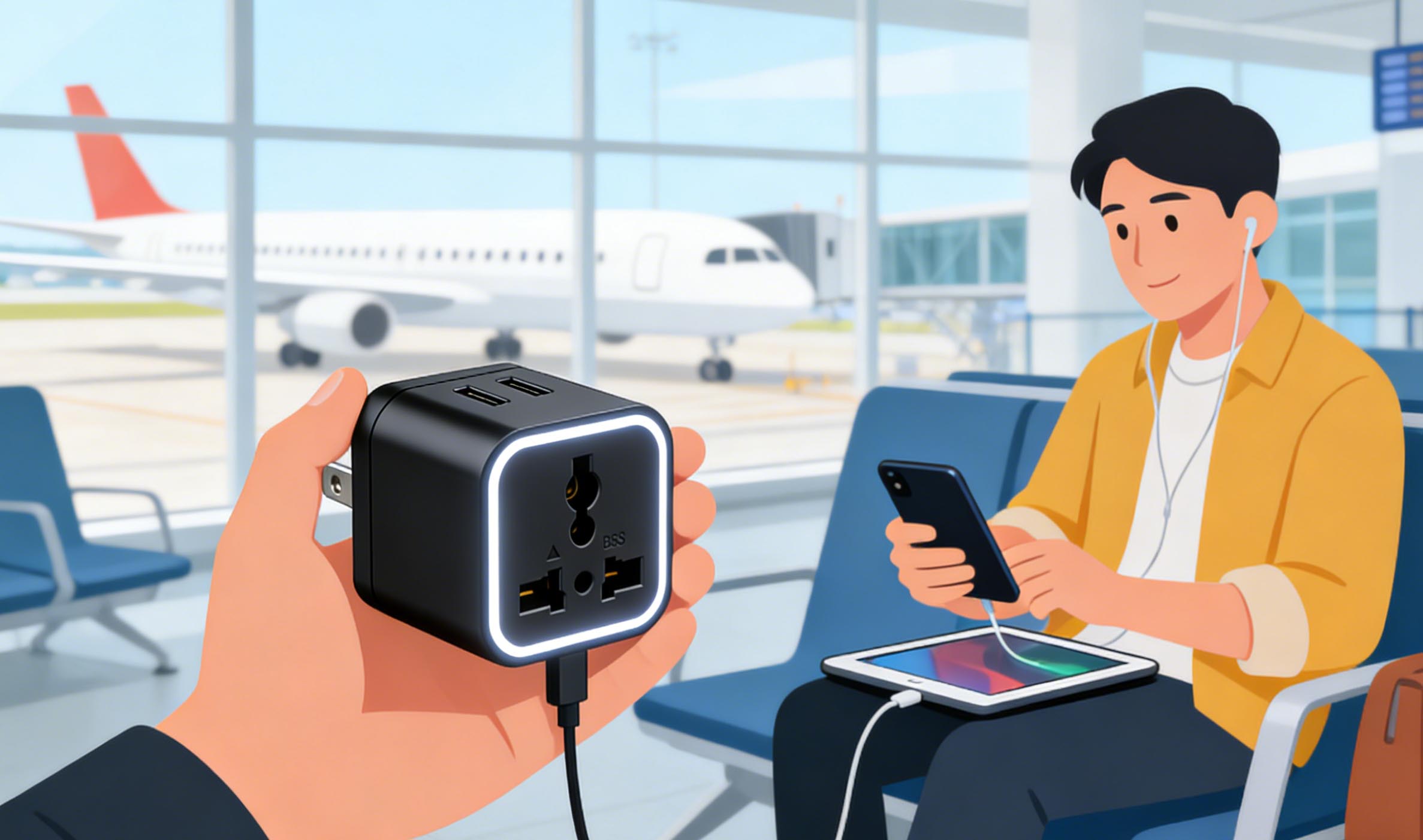
Who hasn't experienced the embarrassment of a dying phone but incompatible plug upon arriving abroad? At such moments, a reliable travel adapter is a lifesaver! For frequent travelers, the best travel adapter is never a feature-crammed "all-rounder" but a "global companion" that precisely relieves all power anxieties. The universal travel adapter perfectly meets this core demand, making it an essential universal travel adapter for every traveler.
A truly high-quality universal travel adapter must first have full compatibility. As a practical universal travel adapter, it should cover mainstream standards such as US, EU, UK, and Australian plugs, supporting over 150 countries and regions. Whether in a European street café or an Australian homestay, simply take out this universal travel adapter, slide out the corresponding plug, and use it directly. It completely eliminates the hassle of carrying multiple adapters, making the travel adapter a true "global universal" device.
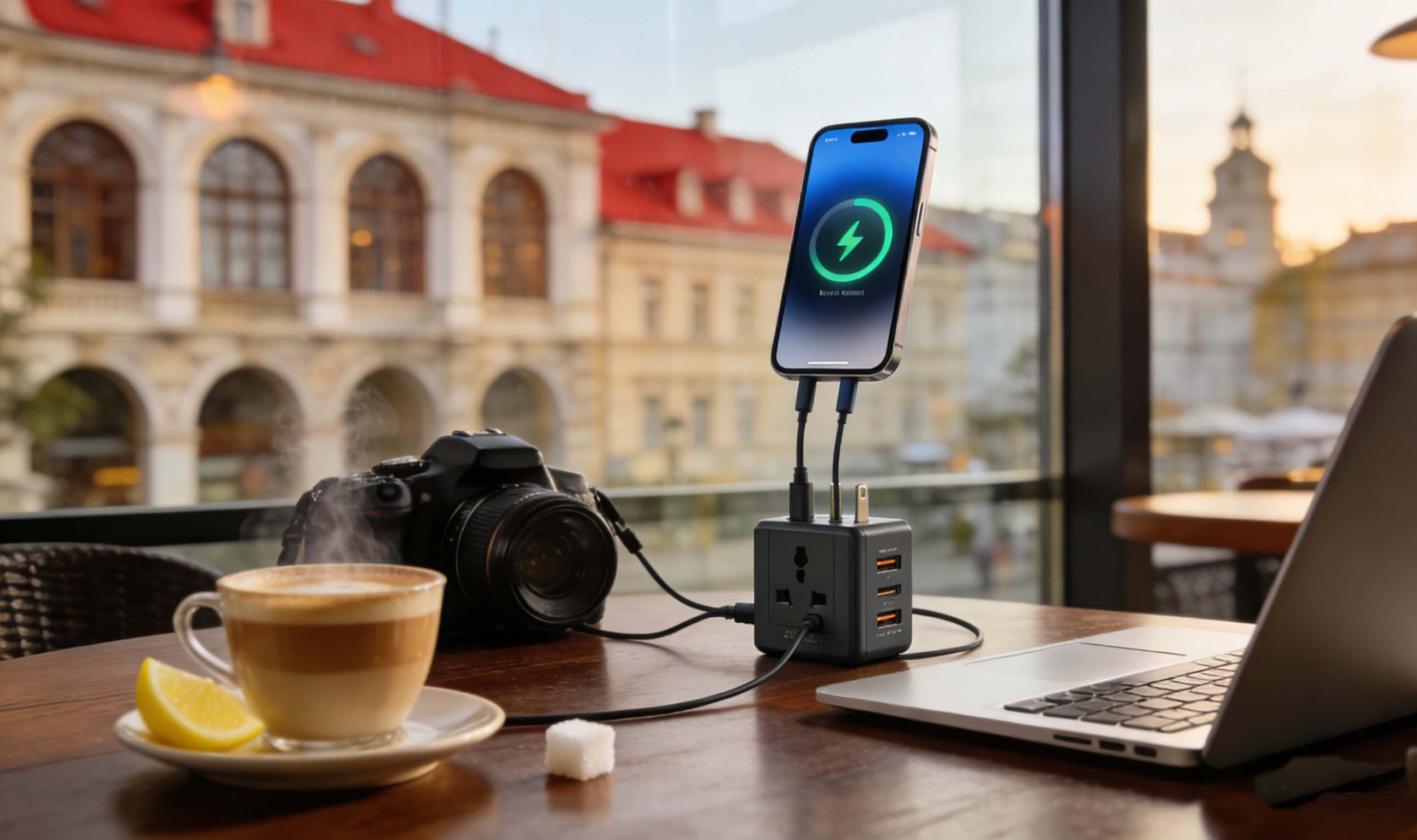
Secondly, the universal travel adapter must balance practicality and safety. Today's travelers usually carry multiple devices, so an excellent universal travel adapter with one AC port, three USB-A ports, and one USB-C port is indispensable. This travel adapter supports fast charging, capable of powering 5 devices simultaneously including phones, cameras, and laptops, meeting the demand for multi-device charging. More importantly, a high-quality universal travel adapter features wide voltage (100V-250V auto-adaptation) and surge protection, effectively preventing device damage from voltage fluctuations. Coupled with fire-retardant materials and safety shutter design, it ensures worry-free use of the adapter every time.
Portability is another plus for the universal travel adapter. An outstanding universal travel adapter is inevitably palm-sized and lightweight, taking up no space in a carry-on bag. The foldable plug design also avoids scratching other items. In short, such a universal travel adapter with wide compatibility, full functionality, high safety, and portability can ensure smooth power supply during every trip. This is what the best travel adapter should be, and it is also a must-have universal travel adapter for every traveler.


 Network Supported